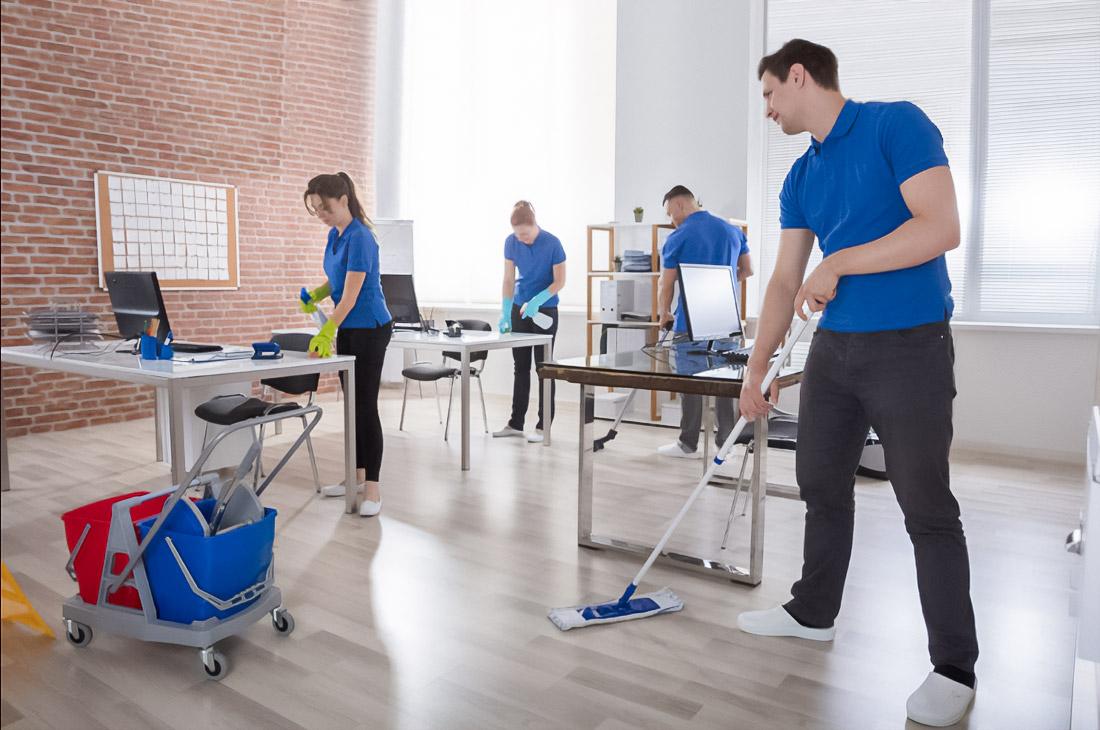
Spring cleaning of the office is rarely perceived as a strategic tool. It is more often considered a routine, a formal procedure, or a one-time task. In practice, everything is different. Deep cleaning of office space affects employee health, occupational safety, concentration, psychological state, and even how the company is perceived from the outside.
After the winter months, dust,allergens, and germs accumulate in the rooms. They settle in ventilation, carpets, upholstered furniture and on surfaces that are touched dozens of times a day. Standard daily cleaning does not solve this problem completely. That is why spring cleaning becomes the moment when the working environment returns to a basic level of cleanliness and order, which is difficult to maintain without professional office cleaning.
Workplace Health, Hygiene And Safety
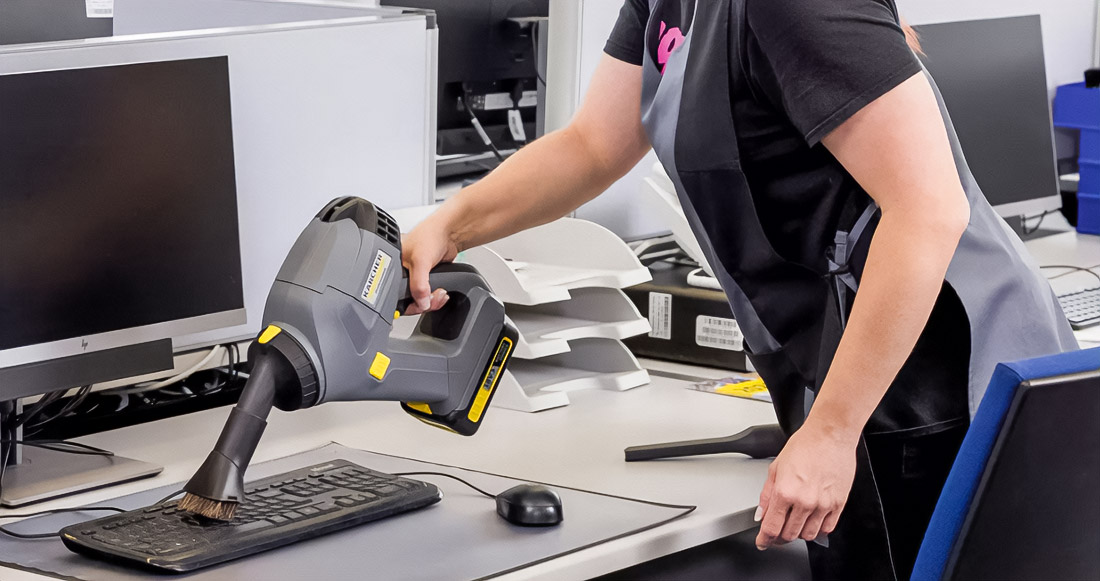
Cleanliness is directly related to the physical condition of people. Comprehensive deep cleaning programs can reduce the number of respiratory complaints by 23% and skin irritation cases by 18%. These indicators are achieved by removing allergens, dust and microbial pollutants from the air and from surfaces.
Zones with a high frequency of contact play a special role. Door handles, switches, keyboards, mice, and office equipment become transmission points for infections. Unsurprisingly, 87% of employees express concern about workplace hygiene. Cleanliness control has ceased to be a recommendation here and has become a basic expectation.
Regular disinfection and air purification have a cumulative effect. An integrated approach reduces the number of sick days per employee to three per year. This affects not only health, but also the stability of work processes.
Productivity, Concentration, And Mental State
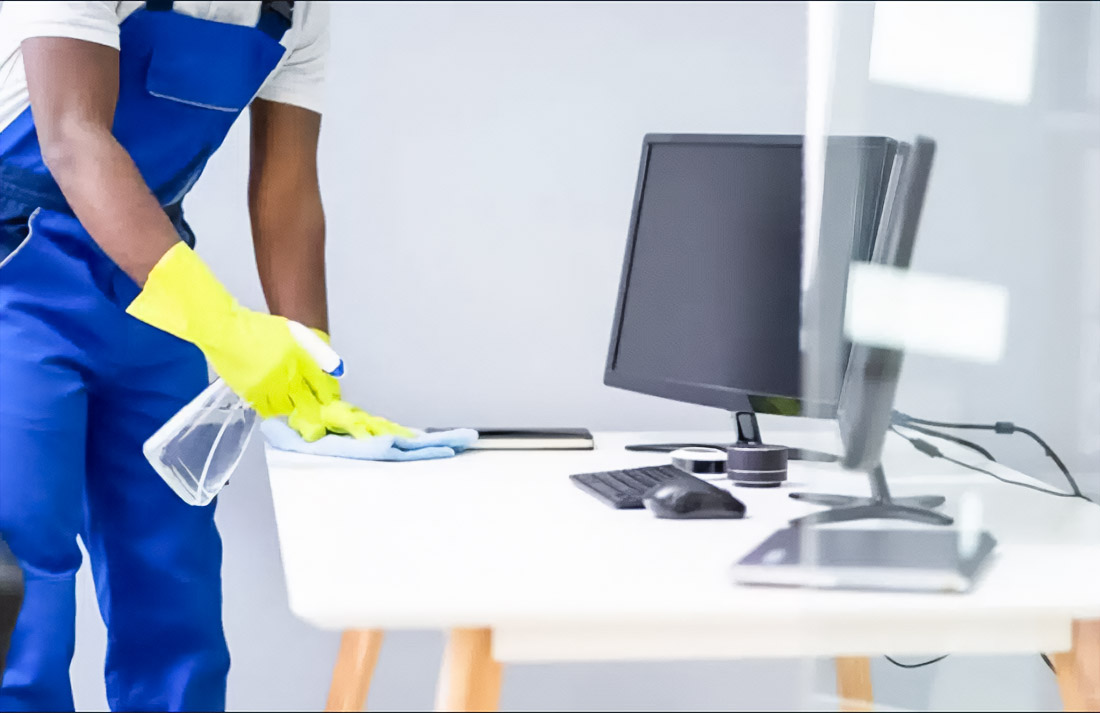
A clean space is quieter than a noisy office. It’s not distracting. Research shows that employees in a carefully cleaned environment show a 15% increase in concentration and a 22% increase in job satisfaction. Less dust in the air means fewer cognitive errors. Their number decreases by an average of 7%, and the task completion rate increases by 9%.
The psychological effect is felt immediately. 76% of employees report reduced stress and increased motivation after returning to a clean office. The organization of the space reduces the visual load and creates a sense of control. This is especially noticeable in work areas and common areas.
It is also important to consider the digital side. Cluttering up documents and files can take up to four hours a week. Digital disorganization can “eat up” up to 20% of working time. Therefore, spring cleaning increasingly includes not only physical cleaning, but also digital revision.
Image, Sustainability And Economic Impact
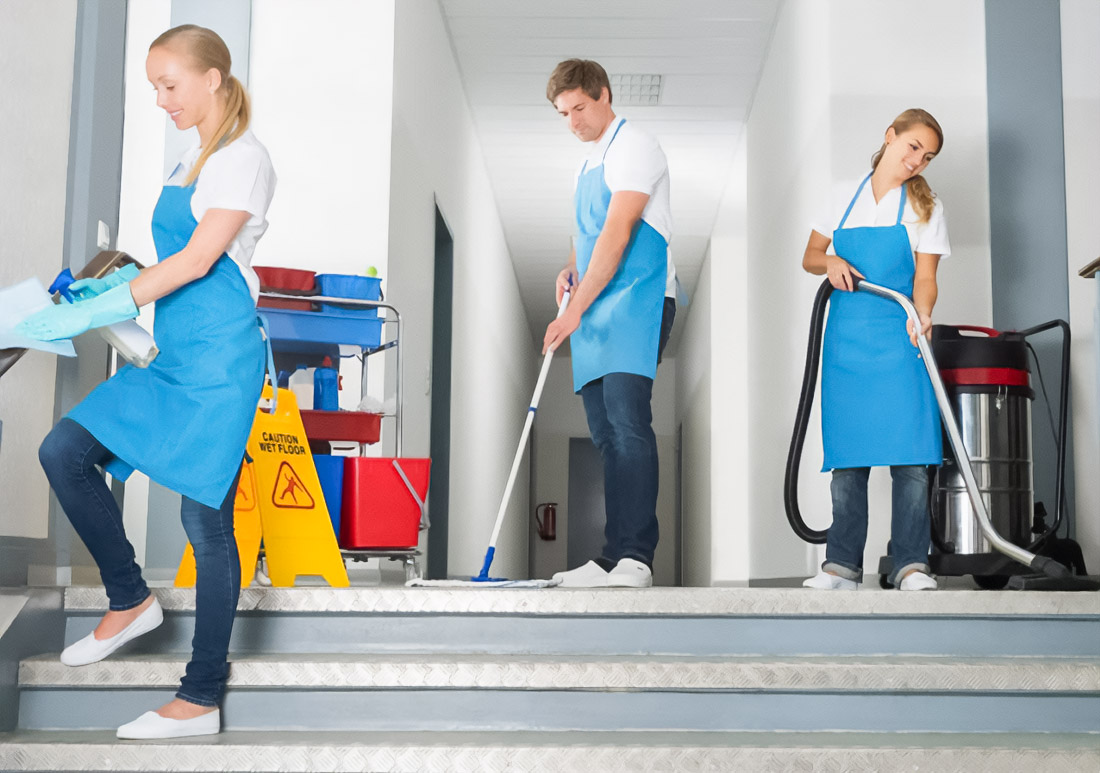
The first impression is formed quickly. Up to 64% of visitors conclude about the company’s professionalism within the first 60 seconds. Clean entrance areas, tidy workspaces and no odors work better than any presentations.
The internal effect is no less important. Companies that systematically invest in office cleanliness record a 31% increase in internal employee loyalty and a 27% increase in work environment ratings. Cleanliness becomes a part of the corporate culture.
From an economic point of view, deep cleaning is not a significant expense. It usually amounts to about 0.2–0.3% of annual operating costs. At the same time, regular professional cleaning prolongs the service life of floor coverings and furniture by 30-40%. This reduces replacement and repair costs.
Spring cleaning is no longer a one-time event. It becomes a manageable process. Health, productivity, order, and sustainability converge at one point. And this point directly affects how the office works every day.